



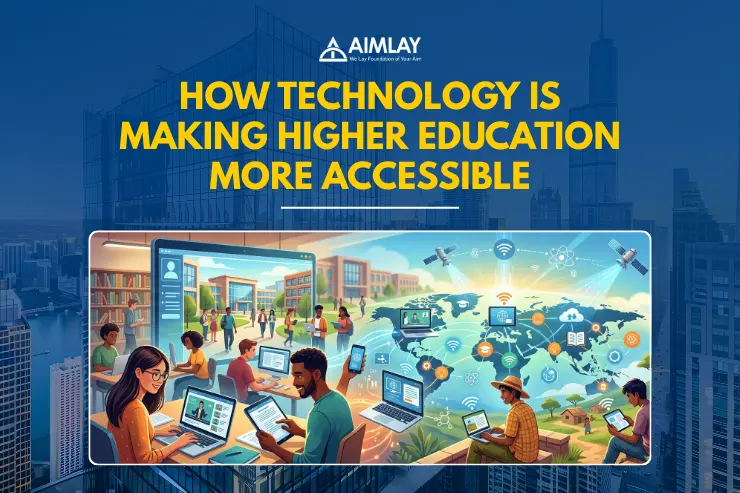
Technology is facilitating higher education than ever. It’s not about the online learning platforms and assistive tools; it is about the educational institutions which are developing increasingly inclusive educational opportunities for students from various backgrounds, with the help of AI-powered support systems. Higher Education Accessibility through technology who helps overcome geographical, disability, financial and learning style barriers. It means that learners have access to quality education much more easily, and that Accessible Higher Education is a reality for millions of people around the world.
Table of Content
• How Technology Is Making Higher Education More Accessible?
• How Does Online Learning Improve Educational Accessibility?
• How Are Digital Learning Platforms Supporting Students?
• What Role Does Assistive Technology Play in Higher Education?
• How Does Artificial Intelligence Support Accessible Higher Education?
• Technology Solutions for Inclusive Learning
• How Do Digital Tools Support Students in Higher Education?
• How Is Technology Reducing Financial Barriers?
• How Does Technology Promote Inclusive Learning Environments?
• What Is the Future of Accessible Higher Education?
• Conclusion
• Frequently Asked Questions
How Technology Is Making Higher Education More Accessible?
Technology in Education has changed how students learn. It helps them interact and succeed in school. Schools are using solutions to make education more accessible. These solutions offer flexibility, personalization, and inclusion.
How Does Online Learning Improve Educational Accessibility?
Online Learning makes education more accessible. One big reason is that students can learn from anywhere. They do not need to move or travel far to attend classes.
Benefits include:
● Flexibility in both work hours and schedules for working parents and professionals
● Student access to courses irrespective of geographical locations.
● Lower transportation and lodging expenses.
● Lower transportation and lodging costs.
● Learning opportunities for students in remote areas
By eliminating physical barriers, online education significantly expands access to higher learning.
How Are Digital Learning Platforms Supporting Students?
There are now user-friendly features and on-demand resources to enhance Digital Learning Accessibility with modern LMS and virtual classrooms.
These platforms often provide:
● Recorded lectures and/or videos for flexible learning.
● Mobile-friendly course materials
● Real-time collaboration tools
● Accessible assignments & resources in the Cloud!
Such features help create more effective and inclusive educational experiences for all students.
What Role Does Assistive Technology Play in Higher Education?
Assistive Technology Enhancing Student Success is among the most significant advances in teaching in the 20th century. These technologies serve to facilitate students with disabilities’ full participation in academic programs.
Common assistive technologies include:
● Use screen reading technology for students with visual impairments.
● Speech to text for students with mobility difficulties
● Use of closed captioning on television to support hearing impaired students.
● Closed captioning of television for the hearing-impaired learner.
These solutions contribute directly to Inclusive Higher Education by ensuring equal learning opportunities.
How Does Artificial Intelligence Support Accessible Higher Education?
Educational Technology is changing with AI’s personalized learning support and engagement.
AI-powered tools can:
● Provide immediate help in academic matters
● Personalize learning pathways
● Recognize students who may require further assistance
● Automate administrative processes
As AI becomes increasingly prevalent, it is a resurgence of the use of technology for accessible higher education and can design more adaptive learning environments.
Technology Solutions for Inclusive Learning
Institutions are working towards creating Inclusive Learning Environments utilizing a range of technologies to meet the needs of all learners
| Technology Solution | Accessibility Benefit |
|---|---|
| Learning Management Systems | Flexible Access to Course Materials |
| Screen Readers | Support for Visually Impaired Students |
| AI Learning Assistants | Personalized Academic Guidance |
| Video Captioning Tools | Accessibility for Hearing-Impaired Learners |
| Speech-to-Text Software | Easier Content Creation and Participation |
| Mobile Learning Apps | Learning Anytime and Anywhere |
These tools demonstrate how Technology Solutions for Inclusive Learning continue to improve educational outcomes.
How Do Digital Tools Support Students in Higher Education?
Digital tools are really helping students in education. They give students the things they need to learn and be more interested in.
Key Advantages Include:
1. Students can get to content faster
2. Students can talk to their instructors easily
3. Students can work together better
4. Students who learn differently can be more independent
5. Students can get to content faster
This shows how digital tools support students in education by making school more supportive and flexible.
How Is Technology Reducing Financial Barriers?
Technology is also helping make it cheaper for students to get a degree.
Examples Include:
● Open Educational Resources (OER)
● Digital Textbooks
● Virtual Libraries
● Online Degree Programs
These innovations support Improving Educational Accessibility Through Technology by making quality education more affordable.
How Does Technology Promote Inclusive Learning Environments?
Technology is helping students from backgrounds and with different abilities feel more included.
Institutions can now provide:
● Class material in formats
● Learning experiences that change for each student
● Ways for students to talk to teachers that work for them
● Help that is just for them
As a result, Digital Accessibility in Education is becoming very important to universities and colleges.
What Is the Future of Accessible Higher Education?
In the future, Technology in Higher Education Accessibility will probably include advanced artificial intelligence systems, new ways of learning, and experiences that are just for each student.
Some new ideas that might happen include:
● Intelligence systems that help students learn
● Virtual reality learning environments
● Tools that help make school more accessible
● Technologies that can translate languages in time
These developments will continue strengthening Accessible Higher Education for future generations.
Conclusion
Technology is changing the education by removing the obstacles and creating opportunities for more students. Through these platforms, assistive technologies, artificial intelligence tools and digital resources schools are making Educational Accessibility and Inclusive Learning Environments will be better. As the technology keeps getting better, it will have a bigger impact on Digital Accessibility in Education, making sure higher education is accessible, flexible, and inclusive for all the students.
Frequently Asked Questions
What is technology in higher education accessibility?
Technology in higher education accessibility refers to the use of digital tools, learning platforms, and assistive technologies that make education more accessible and inclusive for all students, regardless of their abilities, backgrounds, or learning needs.
How does online learning improve accessibility?
Online learning allows students to access educational content from virtually anywhere, reducing barriers related to location, transportation, scheduling, and physical attendance. It offers greater flexibility for diverse learners.
Why is digital accessibility in education important?
Digital accessibility ensures that students with different abilities and learning needs can access educational resources, participate in learning activities, and engage with digital content on an equal basis with others.
How do digital tools support students in education?
Digital tools enhance communication, organization, collaboration, content delivery, and access to learning materials. They help students manage their studies more effectively and improve the overall learning experience.
What is the future of higher education?
The future of higher education includes AI-powered learning assistants, virtual and augmented reality classrooms, advanced accessibility technologies, personalized learning pathways, and more flexible educational experiences tailored to individual student needs.
