
Best Dissertation Guidance, Editorial Review & Submission Support
Trusted for over 16 years, Aimlay provides structured dissertation guidance, editorial review assistance, formatting support, and submission-readiness guidance to help scholars throughout their academic journey.
Enhance Your Dissertation with Expert Support
Preparing a dissertation is one of the most important stages in a researcher’s academic journey. It requires strong subject understanding, structured research planning, academic clarity, and adherence to university standards. For over 16 years, Aimlay has been supporting scholars, PhD aspirants, and working professionals with expert guidance, editorial review assistance, and submission-readiness support throughout their research journey.
Our dissertation support services are designed to help scholars improve the structure, presentation, and academic quality of their research work while ensuring active involvement from the researcher at every stage.
At Aimlay, we understand that every research journey is unique. Some scholars may need support with research structuring, methodology guidance, formatting, referencing, or refining academic language. Our expert mentors and academic professionals provide personalized assistance to help scholars present their research work with greater clarity, confidence, and academic alignment.
From research planning to final submission preparation, Aimlay focuses on providing ethical, guidance-oriented academic support that helps scholars navigate their dissertation journey more effectively and confidently.
Why Choose Aimlay for Dissertation Writing Support
- Step-by-Step Guidance at any stage of your dissertation.
- Plagiarism-Free Content with rigorous quality checks.
- On-Time Delivery without compromising quality.
- Final Proofreading & Editing to match university standards.
- Easy, Constant Support whenever you need us.

Step-by-step Guidance
Get expert support at any stage of your dissertation
journey.

Expert Team
Across Fields
Subject specialists ensure accuracy and academic excellence in every field.

On-Time
Delivery
We deliver your work on schedule without compromising quality.

Easy, Constant Support
Stay stress-free with our constant, reliable assistance whenever you need it.

Challenges of Managing Research Independently
- Time Management Challenges: Balancing research work alongside job responsibilities, deadlines, and personal commitments can make consistent academic progress difficult.
- Research Structuring Difficulties: Organizing chapters, maintaining logical research flow, and aligning content with university guidelines often requires expert academic understanding.
- Referencing & Similarity Concerns: Maintaining originality, proper citations, and academic integrity while avoiding similarity issues can be a complex process for many scholars.
- Research Methodology Confusion: Selecting appropriate research methods, analytical approaches, and data interpretation techniques can be challenging without proper academic guidance.
- Submission Pressure: Preparing documents according to university formatting standards and managing final submission timelines can become stressful for scholars nearing completion.
Connect with Aimlay
Enter Your Details
What Does Our Dissertation Guidance & Academic Support Package Include?
📑 Topic Selection & Research Proposal Guidance
Get expert guidance in identifying a relevant and research-oriented topic along with structured support for preparing a clear and academically aligned research proposal.
📚 Literature Review Support
Our experts assist scholars in organizing, reviewing, and refining literature reviews using credible academic sources and research references.
❓ Research Questions & Research Framework Guidance
Receive support in framing clear research questions, objectives, hypotheses, and research direction aligned with academic goals and university expectations.
📊 Data Collection & Analysis Guidance
Support for research data organization, analytical approaches, and statistical guidance using tools such as SPSS, STATA, R, and other research methodologies.
✍️ Dissertation Structuring & Editorial Support
Get assistance with dissertation structuring, chapter organization, academic flow improvement, formatting, and editorial review support from introduction to conclusion.
🛠️ Editing, Proofreading & Similarity Improvement Support
Our team assists scholars with proofreading, citation review, formatting refinement, grammar improvement, and similarity assessment support to help prepare documents for submission readiness.
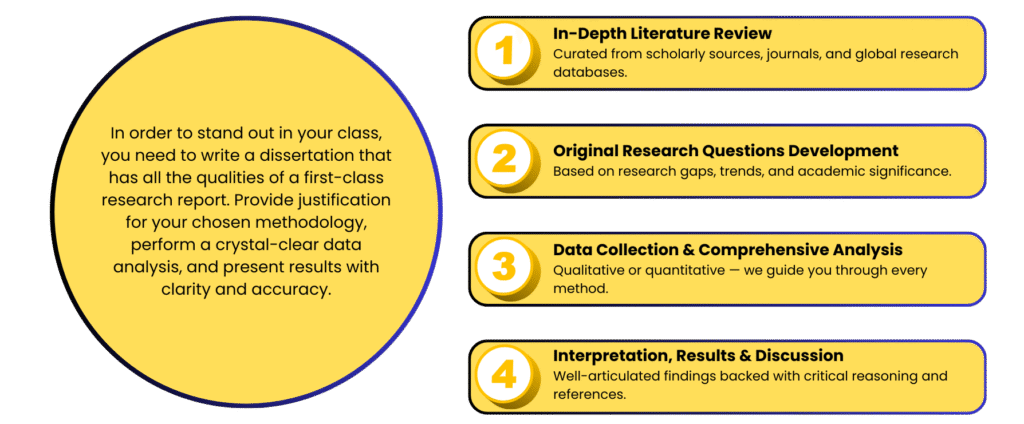
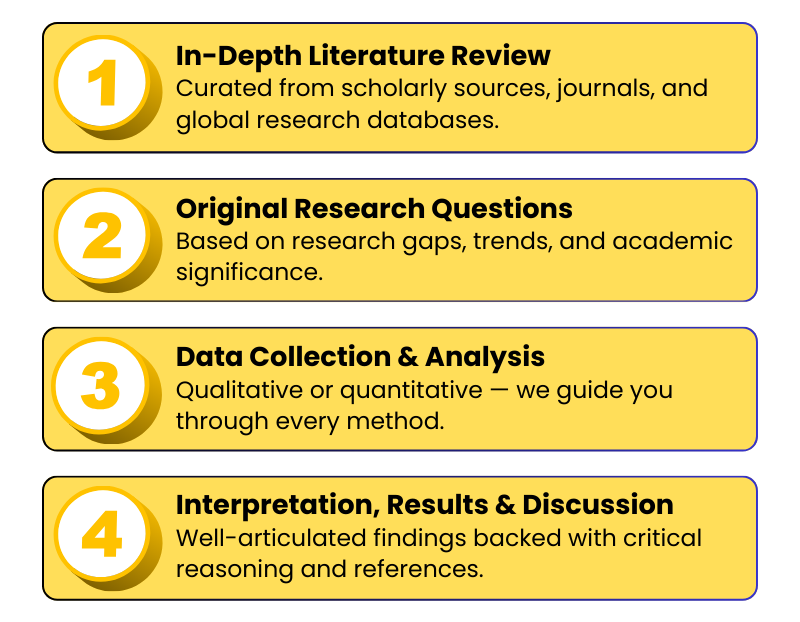
Our 4-Step Dissertation Guidance Approach
-
Literature Review & Research Foundation
Receive guidance in reviewing scholarly journals, academic databases, and research sources to build a strong academic foundation for your dissertation.
-
Research Questions & Framework Development
Our experts assist scholars in refining research questions, objectives, hypotheses, and research direction based on academic relevance and research gaps.
-
Data Collection & Analytical Guidance
Get support for research data organization, methodology selection, statistical guidance, and qualitative or quantitative analysis approaches aligned with your study requirements.
-
Interpretation, Review & Academic Discussion
Receive assistance in presenting research findings clearly through structured interpretation, academic discussion, referencing support, and dissertation refinement guidance.
Aimlay's Dissertaion Support
Talk to the Experts Who’ve Mentored Thousands
Words of Trust from Global Trailblazers
Aimlay’s structured academic guidance and continuous support helped me manage my dissertation journey with greater confidence. Their timely coordination and expert assistance made the entire process smoother and more organized.
FAQ’s on Dissertation Writing Support
A dissertation generally follows a structured academic format that includes: Title Page, Abstract, Introduction, Literature Review, Research Methodology, Data Analysis, Results, Discussion, Conclusion, and References. Some universities may also require appendices or acknowledgments. The exact structure may vary depending on the discipline, institution, and country-specific academic guidelines.
Writing a dissertation involves careful planning and step-by-step execution. Start by selecting a clear research topic, followed by a strong proposal. Conduct an extensive literature review, choose an appropriate methodology, collect and analyze data, then present your findings logically. Finally, provide a critical discussion and conclusion. Proofreading and formatting are equally important before submission.
The length of a dissertation varies depending on the academic level and field of study. For a Master’s dissertation, it usually ranges between 80–120 pages, while a PhD dissertation can extend from 150–300 pages. Ultimately, the length depends more on the depth of research, complexity of analysis, and university-specific requirements rather than page count alone.
The most challenging part of writing a dissertation is often identifying a strong research question and narrowing down the scope. Many students struggle with maintaining consistency, managing time, and analyzing data effectively. Additionally, synthesizing vast literature into meaningful insights and presenting findings with clarity requires significant effort, patience, and expert guidance to overcome.
Though often used interchangeably, a thesis and dissertation differ in purpose and scope. A thesis, typically at the Master’s level, demonstrates understanding of existing research and focuses on analysis of a specific topic. A dissertation, usually at the doctoral level, requires original research, deeper investigation, and contribution of new knowledge to the academic community.
The primary purpose of a dissertation is to demonstrate a student’s ability to conduct independent, original research and contribute new insights to their field of study. It allows scholars to critically analyze existing literature, address knowledge gaps, and present well-founded arguments supported by evidence. A dissertation also reflects academic rigor, critical thinking, and subject expertise.
A dissertation proposal serves as a blueprint for the final research. It should include the research title, introduction, problem statement, research objectives, proposed methodology, literature background, and expected outcomes. The proposal must justify the significance of the topic and feasibility of the study. Clear structuring and concise writing are essential to gain approval from academic supervisors.
Explore Recent posts on Career Guidance
Explore quick, insightful reads to guide your Dissertation writing process
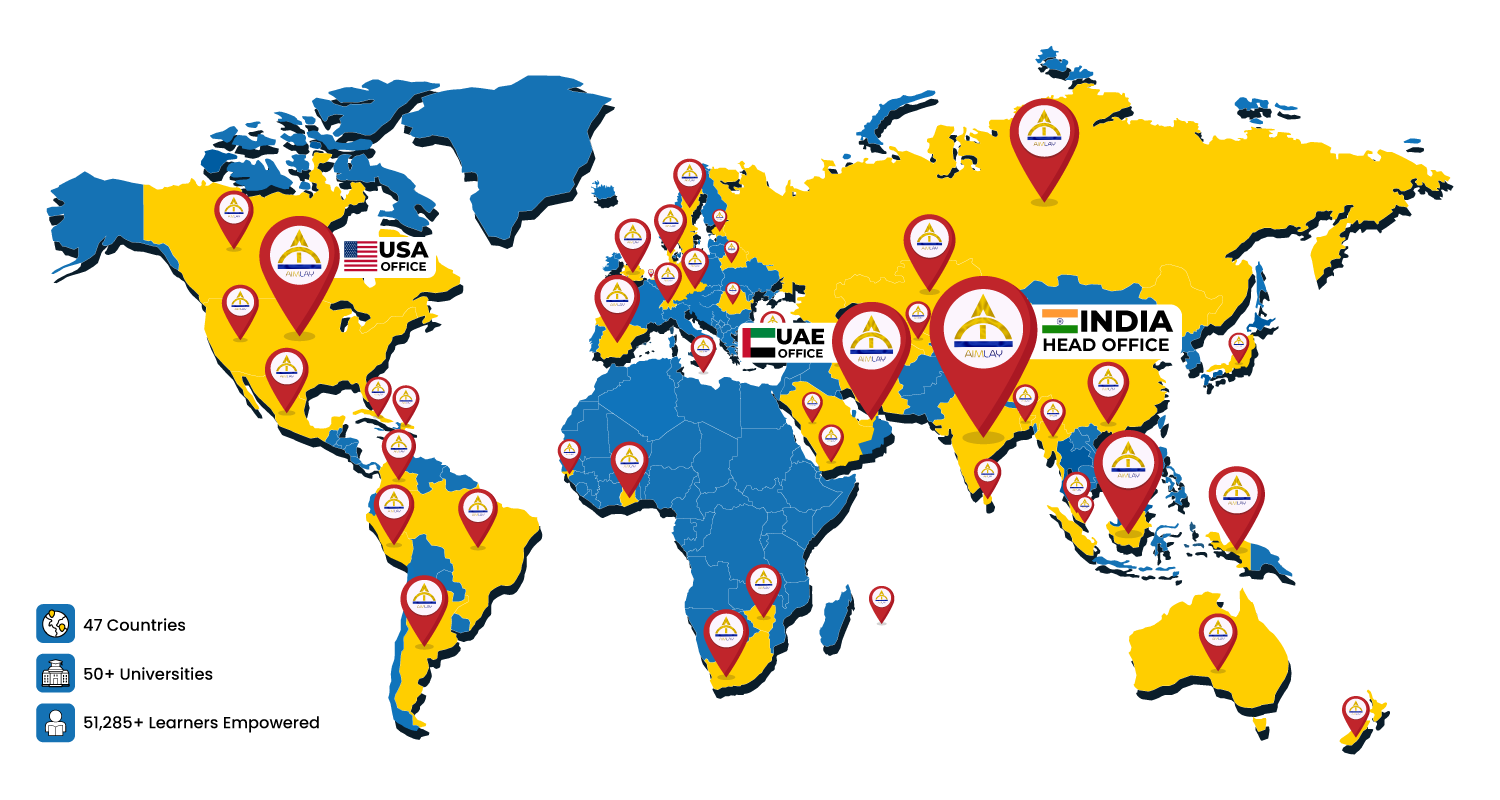
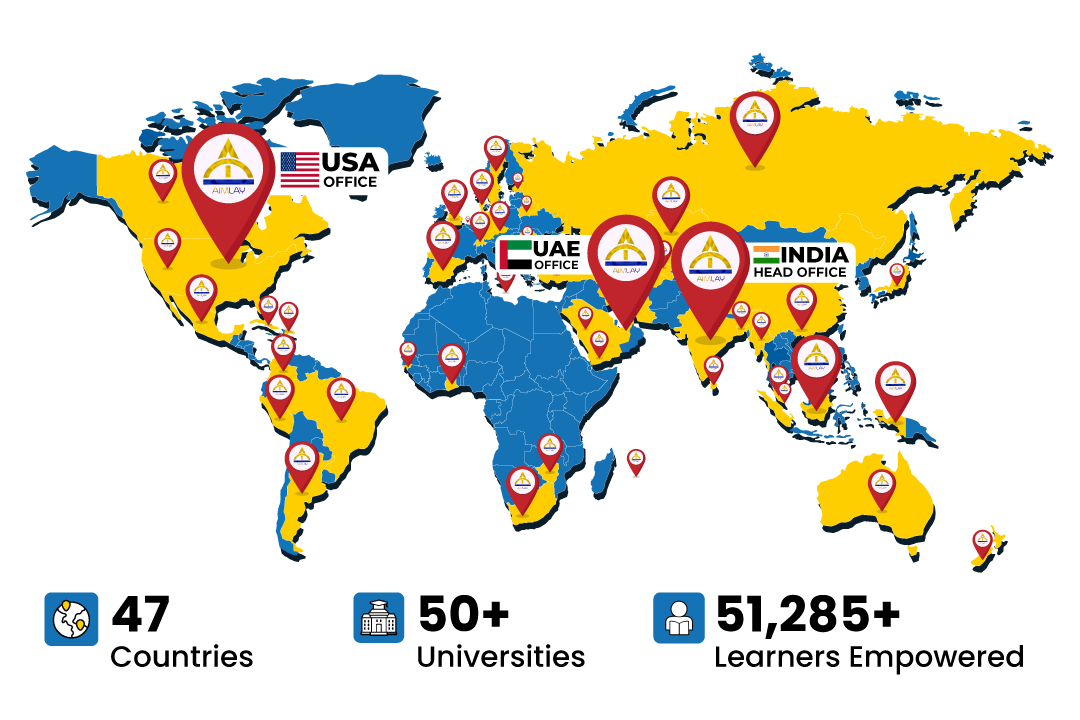
Extending Impact Across Continents