



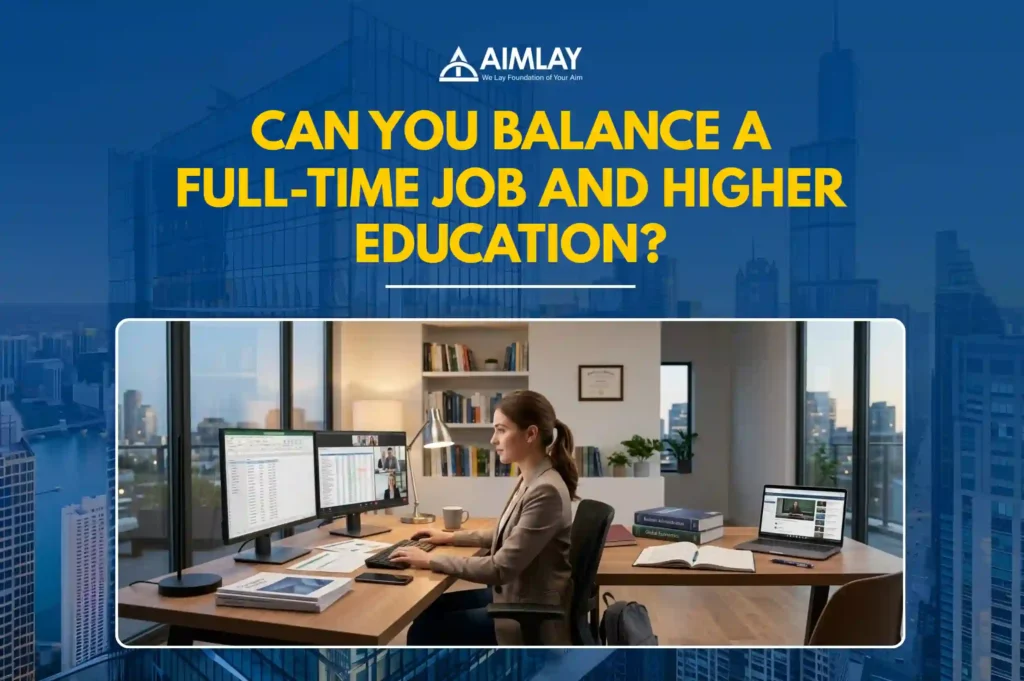
While many people work a full-time job, they want to advance their skills or credentials to be successful in an increasingly competitive workplace. But most have asked themselves: “Can I do both — work a full-time job and pursue higher education?”
Yes, Technology has made it easier than ever for working professionals to take advantage of flexible course scheduling; digital learning; and on-line degree opportunities. Many thousands of workers from almost every industry are enhancing their qualifications while at the same time advancing their careers. The real issue here is not whether or not you can do it, but rather how well you plan; your level of commitment; and which educational path best fits your needs.
Table of Content
• Why More Professionals Are Choosing Higher Education
• What Are the Benefits of Studying While Working?
• How to Balance Work and Higher Education Successfully
• How to Manage Coursework with a Full-Time Job
• Flexible Online Courses for Full-Time Employees
• Degree Programs for Working Adults
• Common Challenges and How to Overcome Them
• Conclusion
• Frequently Asked Questions
Why More Professionals Are Choosing Higher Education
Modern work environments are becoming much different than they were just years ago. Technology has increased at an incredible rate, along with changing ways of doing business and the growing number of competitors for many professionals make it necessary for them to be up to date on new information to maintain a competitive edge. Many workers today have turned to earning Online Degrees as well as taking certification courses so that they may continue to compete within their chosen fields.
Higher Education is a means by which to obtain an education and/or certification(s) that are required to achieve the goal of one’s career. Many employers also view continuing education as evidence that an employee is interested in continually developing skills to improve his/her performance at work.
What Are the Benefits of Studying While Working?
The first concern many people have about returning to school while working is: Will it all be worth it? There are several reasons why this question may be an issue. The positive aspects of returning to school while working include:
1. Directly Applying Classwork to Job Responsibilities
Studying at work makes it easier to use class ideas in the workplace. This enhances retention of course content and provides a better understanding of how what is learned can be applied.
2. Increasing Opportunities For Career Advancements
Many people have achieved higher levels within their companies or organizations by using Continuing Education as a means of advancing their careers. The greater qualifications of those who advance through education make them more attractive to potential employers when they look for new employment or are looking for advancement within their current company.
3. Financial Security
Working professionals earn money while going back to school (unlike many students). Working professionals do not lose any income due to their education. They also do not need to rely on loans to fund their education.
How to Balance Work and Higher Education Successfully
Balancing work responsibilities with academic commitments may seem challenging initially, but it becomes manageable with the right strategies.
. Create a schedule of your time
What if knowing exactly where your hours go helped shape your day. Imagine seeing study sessions, job tasks, even moments with loved ones laid out clearly. That kind of view opens space for better choices about what comes next. Tools like digital calendars might quietly hold that picture together. Some apps do more than store dates – they reflect habits without drama.
. Be realistic about the amount of work you are doing.
Starting heavily might slow you down later. Give yourself space to adjust to assignments first – maybe wait on work until things feel steady.
. Do important tasks first.
Some jobs can wait a while. Knowing which ones matter most, then doing those first – this keeps stress low. What gets done when makes all the difference. Jumping on urgent things early helps avoid rushing later.
Study consistently.
Little bits every day beat weekend marathons when it comes to staying sharp and remembering what you learn.
How to Manage Coursework with a Full-Time Job
Working while studying puts pressure on plenty of people. Juggling tasks like essays, tests, or due dates feel heavy at times. Knowing ways to balance schoolwork alongside daily office hours helps lighten the load. It changes how smoothly things go
. Small Time Blocks
A bit of time, just twenty to thirty minutes, might turn into something useful when spent on reading or going over class notes. Finishing minor tasks fits well within that window, too
. Talk to your boss
Some workplaces encourage growth among staff. Talking through your learning plans with a supervisor can open doors to adjusted schedules when life shifts
. Divide Big Projects Into Little Steps
Bite off one piece of the job first, then move on when ready. Breaking things down eases pressure while boosting results
. Eliminate Time-Wasting Activities
Weeks open when screens fade into background noise. Meetings that drag? They vanish like morning fog. Distractions slip away quietly – then studying finds room to breathe
When these methods are used, work stays on track even as assignments get done. A steady pace helps keep both duties moving smoothly. Staying organized makes it easier to juggle tasks without dropping any. With clear planning, balance becomes possible across roles. Effort spreads evenly when priorities align.
Flexible Online Courses for Full-Time Employees
Technology has transformed education significantly. Today, many universities and institutions offer Flexible online courses for full-time employees designed specifically for working professionals.
Some benefits include:
. Self-paced learning options
. Recorded lectures
. Weekend classes
. Online assessments
. Mobile learning accessibility
. Reduced travel requirements
These features make it easier for professionals to learn at their convenience while managing their existing responsibilities. Online education has become one of the primary reasons why Higher Education for Working Professional is more accessible than ever before.
Degree Programs for Working Adults
Many institutions now offer specialized Degree programs for working adults that accommodate busy schedules.
Popular options include:
. MBA programs
. Master’s Degrees in management
. Data Science programs
. Computer Science degrees
. Education and Teaching programs
. Healthcare Administration programs
. Law and Legal Studies
. Doctoral and Research Programs
These programs focus on flexibility while maintaining academic quality and industry relevance.
Common Challenges and How to Overcome Them
Even though juggling work and classes can work out fine, some hurdles often pop up along the way. Not everyone expects them at first glance.
. Time constraints
When school tasks pile up alongside job responsibilities, things get heavy. Try building a plan for each week’s learning time to stay on track instead.
. Fatigue (Mentally)
After working long hours, thinking hard feels tough. A few minutes off here and there helps, especially when paired with good sleep plus eating well. Rest reshapes how clearly you concentrate.
. Maintaining a Balance Between Work and Personal Life
Life works better when work does not fill every hour. Time for yourself matters just as much as meetings or tasks. Family moments slip away if ignored too often. Wellness shows up in small choices, like walking instead of scrolling. Balance isn’t built overnight but grows through daily care. Burnout creeps in when rest is treated as optional. Success lasts longer when it rests on steady habits, not endless effort.
. The Role of Educational Support Platforms
Some people building careers find it useful to have advice and someone experienced to talk to when studying further. Services like Aimlay assist these individuals by showing paths for education, walking them through enrollment steps, because they also offer help during courses. Staying at work while aiming for degrees feels less out of reach since support exists that fits job demands.
Conclusion
Nowadays, it’s no longer impossible for an individual to Balance working full time at one or multiple jobs while attending school. Due to the New availability of Online Education Programs, Flexible Class Schedules, and a variety of Technology-based Learning Platforms (that allow students to complete coursework) from anywhere, many working professionals have now become able to pursue further Educational Advancement while maintaining full time employment.
Besides handling daily work duties, staying on top of class assignments means planning each hour with care. Because some programs shape their schedules around adults already in jobs, fitting school into a busy life becomes more realistic. When online learning options include recorded lectures and anytime submissions, balancing everything feels less rushed. Though juggling roles aren’t easy, having access to courses built for working people makes progress possible. Even with tight timelines, moving forward educationally can happen without dropping other responsibilities.
